
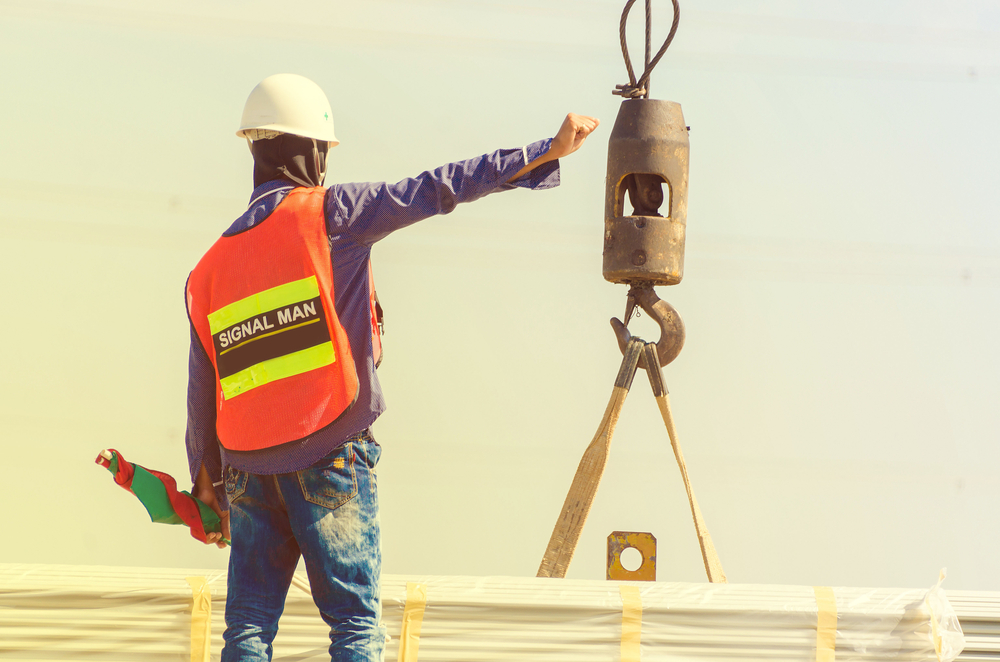
Safe lifting relies on clear judgment and accurate control during every movement. Signal persons play a key role by guiding operations and protecting teams from overload risks. Understanding equipment limits supports better decisions and prevents sudden failures. Many safety incidents occur when limits are ignored or misunderstood. Training and awareness help reduce these issues. Those seeking deeper knowledge often visit site resources to build confidence and improve daily task control through reliable guidance and shared responsibility.
Why equipment limits matter?
Equipment limits define how much weight tools can handle safely. Exceeding these values increases the risk of breakage, loss of control, and injury. Signal persons must understand limits to guide safe lifting operations.
How do signal persons support safety?
Signal persons communicate movement direction, speed, and stopping points. Their awareness of limits ensures instructions prevent overload and maintain balance throughout lifting tasks.
What determines load capacity?
Capacity depends on material strength, design condition, and setup. Wear damage and improper angles reduce safe limits, making inspection and correct use essential.
How does inspection reduce risk?
Regular inspection identifies wear, cracks, and stretching. Removing damaged gear before use prevents unexpected failure and protects workers during lifts.
How can ongoing practice improve control?
Continued practice strengthens awareness and response skills. Signal persons refine judgment through repetition and feedback.
- Review safety guidelines regularly to reinforce understanding of limits and proper signal use
- Observe experienced team members to learn practical responses to complex lifting situations
- Participate in refresher sessions to maintain accuracy and confidence in decision-making
- Encourage open communication within teams to report concerns without hesitation
- Maintain discipline during every task, regardless of load size or routine familiarity
What role does communication play?
Clear signals ensure smooth movement and quick stops. Good communication allows signal persons to react when loads shift or strain appears.
Why is consistency important?
Consistent practices help teams anticipate actions. Predictable signals and movements reduce confusion and support safer load handling.
How does training improve awareness?
Training builds understanding of limits, rules, and hazard signs. Practice strengthens judgment, helping signal persons to act calmly under pressure.
What steps help manage limits effectively?
Managing limits requires planning, checks, and clear control during lifts. Signal persons guide this process by staying alert and proactive.
- Confirm equipment ratings before each lift to match load weight and movement plan
- Watch for angle changes that increase stress and reduce effective load capacity
- Stop operations immediately if unexpected strain, noise, or movement appears during lifting
- Communicate clearly with operators to adjust speed, direction, or pause when needed
- Keep focus throughout the lift to detect early warning signs and prevent accidents
Effective signal guidance depends on a knowledge focus and steady communication. Understanding equipment limits helps prevent overload incidents and protects teams. Clear signals, inspections, and planning support reliable outcomes during lifting tasks. When signal persons stay alert and informed, operations remain controlled and predictable. Choosing education and routine checks builds safer work habits. Those committed to improving performance often visit site materials to strengthen understanding and support long-term safety through informed rigging practices.